

Guest Resources
Lorem ipsum dolor sit amet, consectetur adipiscing elit, sed do eiusmod tempor incididunt ut labore et dolore magna aliqua
International Trip Insurance — What to get before trekking with AHE
Why you need it
Our treks operate at high altitude (3,000–5,200 m) and in remote areas where medical care and evacuations can be complex and expensive. Comprehensive international travel insurance protects you from medical costs, emergency evacuation, trip cancellation/interruption, and other unexpected expenses.
- Recommended coverage and minimum limits:
– Emergency medical coverage: minimum USD 100,000 (higher limits recommended).
– Emergency medical evacuation & repatriation: minimum USD 100,000–200,000. Helicopter evacuations can be very costly.
– Trip cancellation, interruption, and delay: coverage for prepaid non‑refundable expenses.
– Coverage for high‑altitude trekking: policy must explicitly include trekking up to at least 5,200 m (or specify maximum covered altitude).
– Coverage for technical activities if you plan glacier travel or use crampons/ice axes.
– COVID‑related medical care and quarantine coverage (if relevant).
– Coverage for pre‑existing conditions only if declared and accepted by the insurer. - Timing & documentation
– Buy insurance at time of booking (or as early as possible) to ensure cancellation cover for unforeseen events.
– Carry policy number and emergency contact/claims details in printed and digital form. Provide AHE a copy if requested.
– Check claim procedures, excess/deductible amounts, and whether the insurer pays providers directly or requires reimbursement. - Policy checks — ask the insurer
– Does the policy cover high altitude trekking and the specific maximum altitude?
– Are helicopter evacuations and repatriation covered? Any sub‑limits?
– Are pre‑existing conditions covered if disclosed?
– Are technical activities (glacier travel, ropes, crampons) included or excluded?
– Are COVID‑related claims covered?
– How are claims paid (direct billing vs. reimbursement) and what documentation is required? - Suggested insurers (for reference only — not endorsed by AHE)
– World Nomads (popular for adventure travelers)
– Allianz Global Assistance / Allianz Travel
– IMG (International Medical Group) — e.g., Patriot International/VisitorsCoverage products
– AXA Assistance / AXA Global Healthcare
– Global Rescue (strong evacuation assistance services)
– AIG Travel Guard
Final notes
Choose a policy that explicitly names high‑altitude trekking and evacuation coverage appropriate to your planned activities.
Recommended Gear
Below are concise descriptions and buying tips for each recommended item, focused on the high‑Andes conditions (3,000–5,200 m): wide temperature swings, strong UV, wind, rain, occasional snow/ice, and rough terrain.
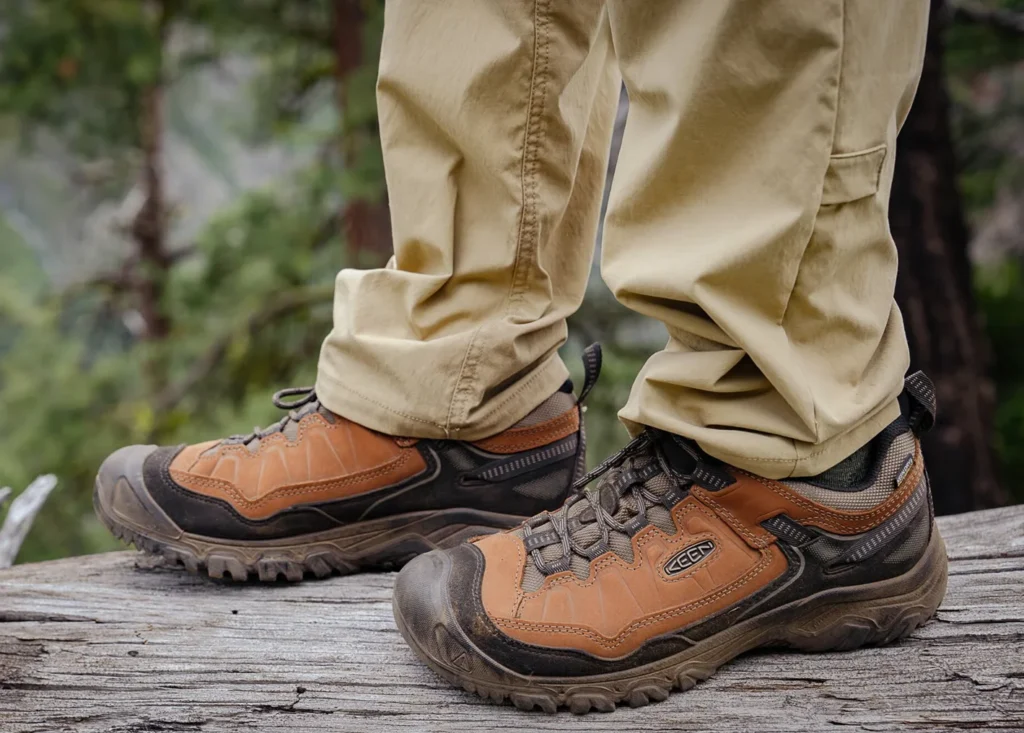
Hiking Shoes
- Attributes: low‑to‑mid cut, grippy Vibram‑style outsole, breathable upper (mesh or synthetic), protective toe cap, good heel support.
- Buy tips: choose shoes for day hikes and light terrain; ensure a secure fit with room for toes (important for downhill and altitude swelling). Break them in before travel. Waterproof versions (Gore‑Tex) help in wet conditions but can be warmer.
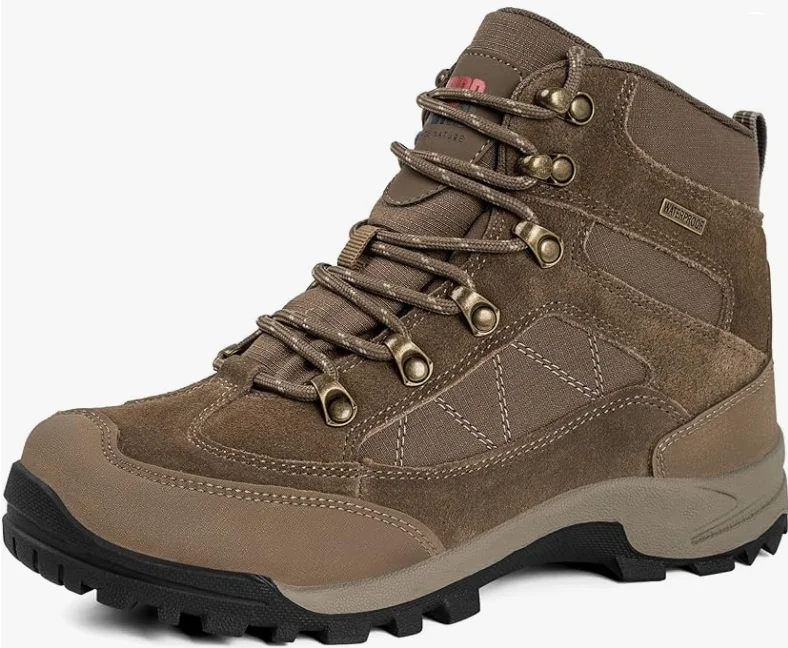
Boots for Backpacking
- Attributes: high‑cut ankle support, stiff sole for load carrying, durable upper (leather or synthetic), waterproof membrane optional, aggressive tread.
- Buy tips: required for multi‑day treks with heavy loads or rocky/snowy passes. Prioritize fit and ankle stability; try with your trekking socks and walk on varied surfaces. Break in gradually to avoid blisters.
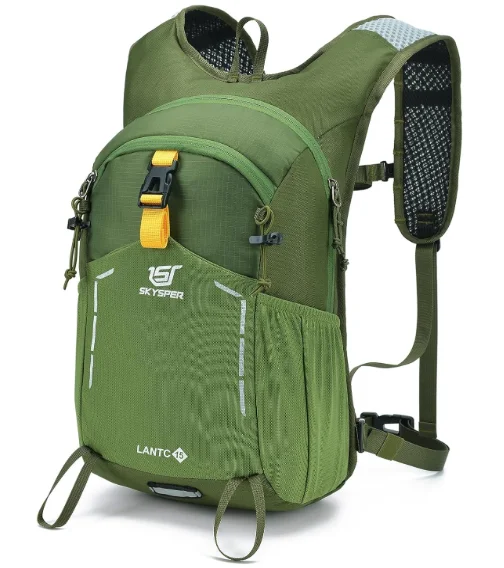
Daypacks for Hiking
- Attributes: 20–30 L capacity, comfortable padded shoulder straps and hip belt, hydration‑bladder compatible, multiple pockets, rain cover.
- Buy tips: use for daily essentials (water, layers, camera, snacks). Pick a pack with good ventilation and an adjustable fit. Waterproof liner or dry bags recommended.
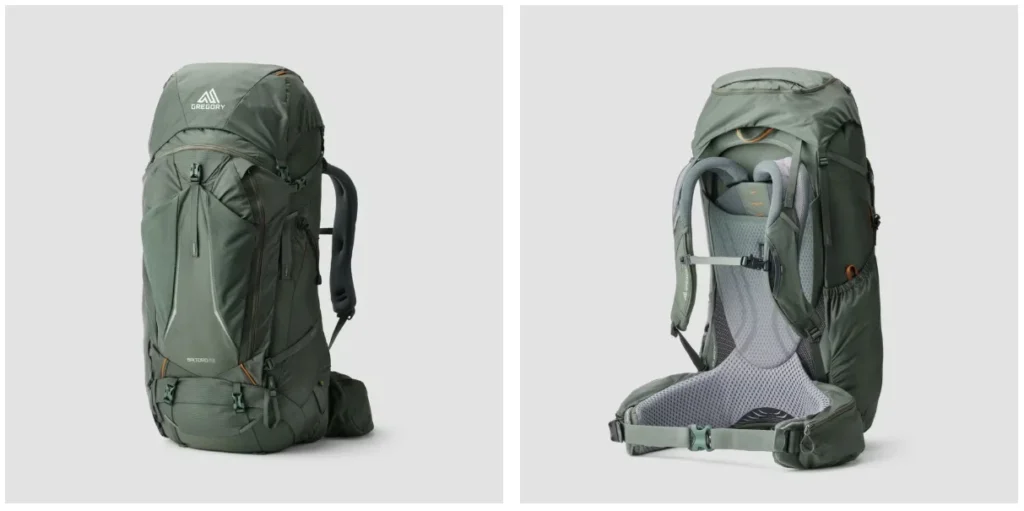
Backpacking Backpacks
- Attributes: 40–65 L capacity (depending on trip length), supportive suspension and hip belt, compressions straps, external lash points for sleeping pad/trekking poles, detachable daypack optional.
- Buy tips: choose capacity based on whether AHE provides luggage transport. Test for comfort with load; a correct torso length fit is crucial. Look for durable fabrics and repairable features.
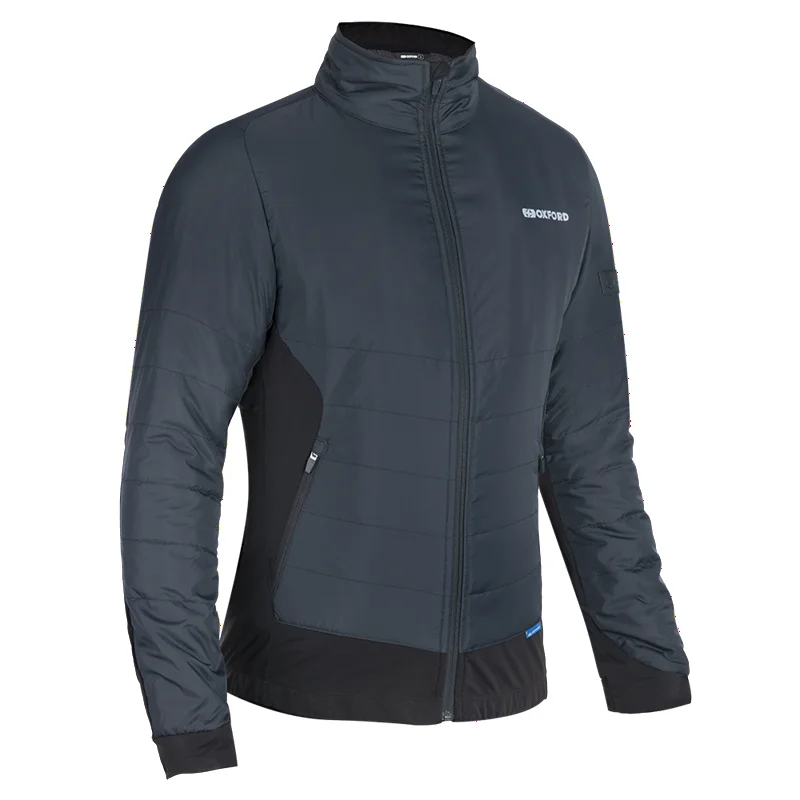
Mid Layers
- Attributes: insulating layer between base and shell (fleece, synthetic, or lightweight down), breathable, quick‑dry, good warmth‑to‑weight ratio.
- Buy tips: bring one warm mid layer (fleece or insulated jacket) plus a light one if you get cold easily. Prefer synthetic down alternatives for wet conditions.
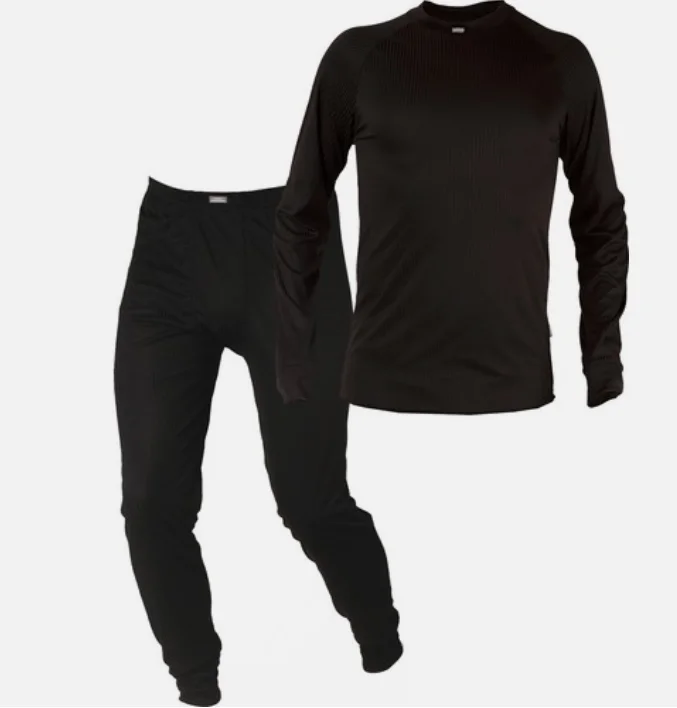
Long Underwear
- Attributes: moisture‑wicking, quick‑dry fabrics (merino wool or synthetic), snug but comfortable fit.
- Buy tips: merino offers odor control and warmth; synthetics dry faster and are cheaper. Bring at least one top and one bottom; consider two sets for multi‑day trips.
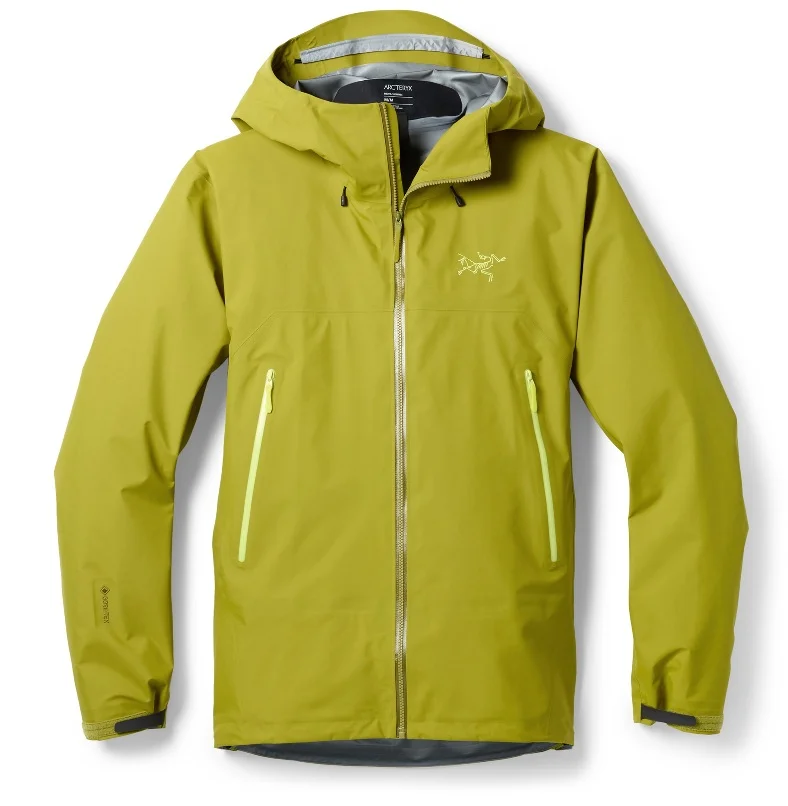
Rain Jackets
- Attributes: waterproof-breathable membrane (Gore‑Tex or equivalent), taped seams, adjustable hood that fits over a hat, pit zips for ventilation, lightweight and packable.
- Buy tips: choose a true waterproof shell rather than water‑resistant. Balance breathability and weight—venting features are essential for active use. Test hood and cuff adjustments.
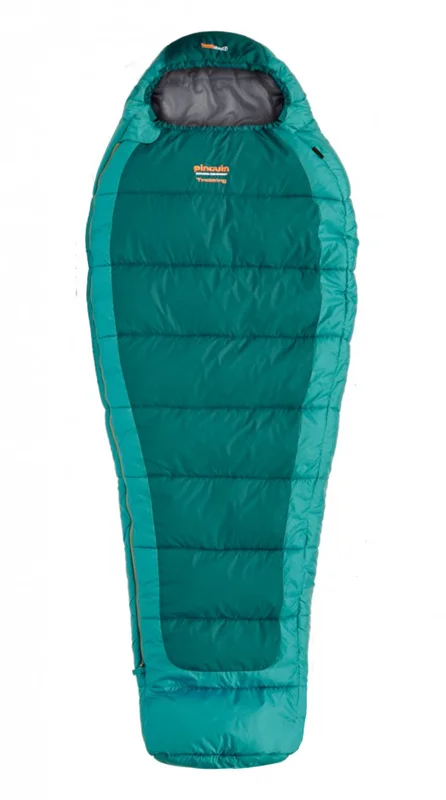
Sleeping Bags
- Attributes: temperature rating to at least −10°C for high passes/cold nights, lightweight down or synthetic fill, mummy shape for warmth, hood and draft collar if camping.
- Buy tips: down is warm/compact but loses insulation if wet—use a waterproof stuff sack or liner. If you expect damp conditions, consider synthetic or a water‑resistant down. Check weight/volume for carrying or airline limits.
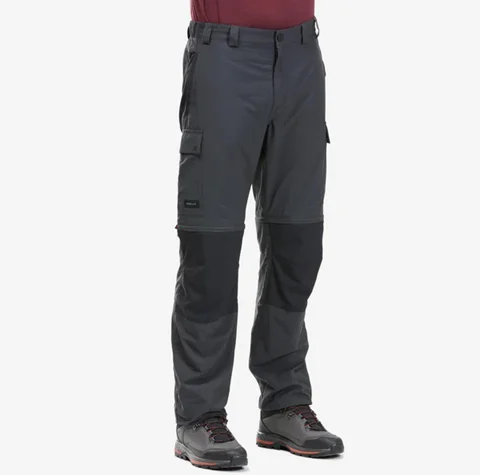
Hiking Pants
- Attributes: quick‑dry, breathable, durable fabric, articulated knees, zip‑off convertible options if desired, water‑resistant finishes helpful.
- Buy tips: prefer lightweight softshell or nylon hiking pants; bring an insulating layer or thermal leggings for very cold nights. Avoid cotton.
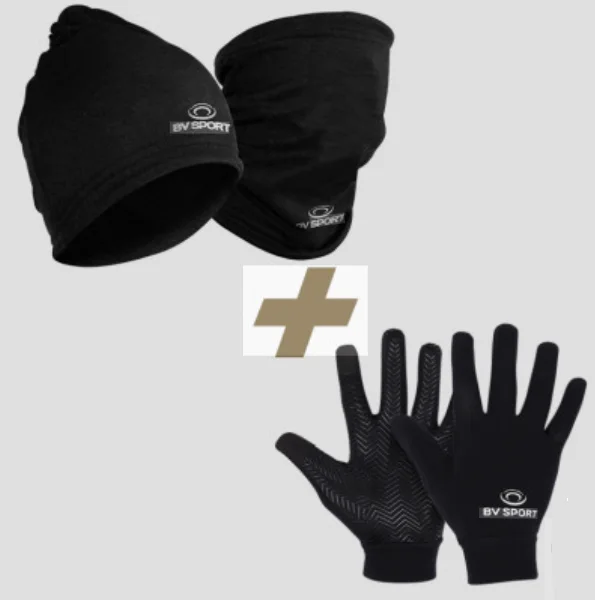
Hats and Gloves for Cold Weather Hiking
- Attributes: hat: warm beanie (wool/merino or fleece) plus wide‑brim sun hat for daytime UV; gloves: lightweight liner plus insulated/windproof outer gloves, waterproof pair for wet/snow.
- Buy tips: layer gloves (liner + waterproof shell) for flexibility. Bring a buff/neck gaiter for wind, sun, and extra warmth.
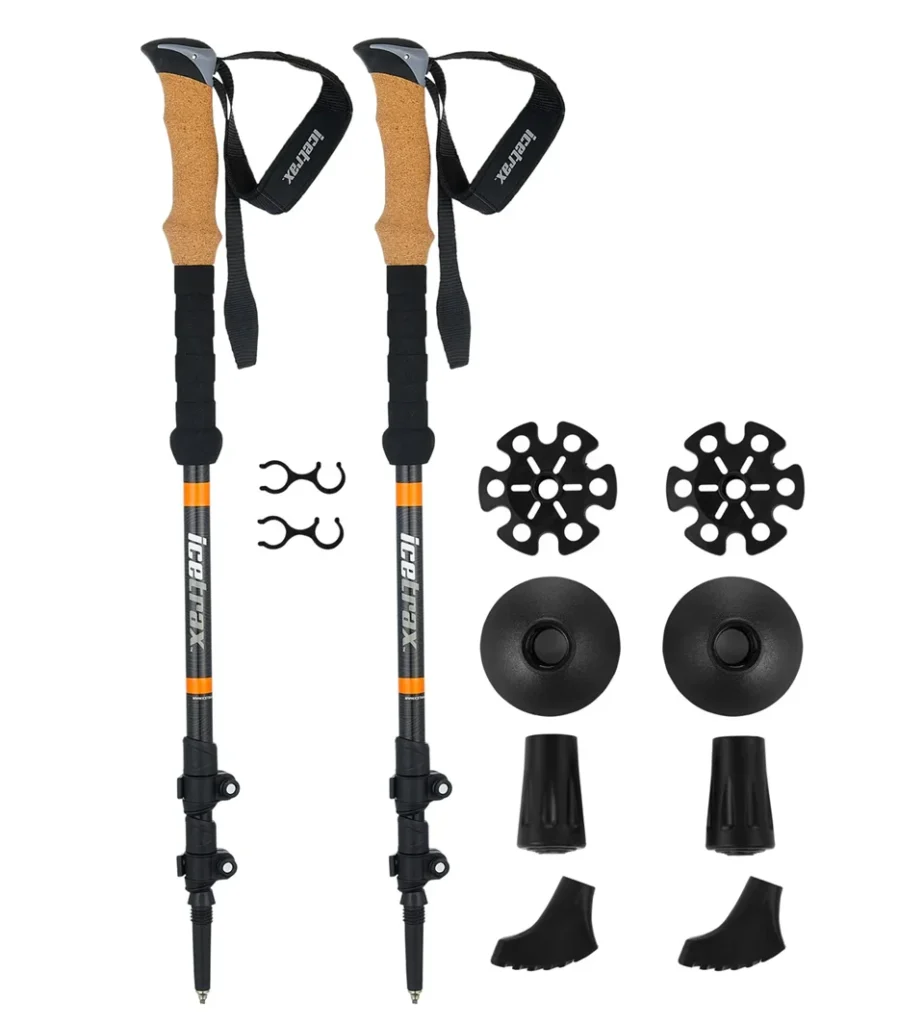
Trekking Poles
- Attributes: adjustable length (twist‑lock or lever), lightweight aluminum or carbon, ergonomic grips, removable snow baskets for snowy/soft ground.
- Buy tips: poles reduce strain on knees and improve balance on scree/snow. Choose durable locks and comfortable grips (cork grips reduce sweat). Practice using them before steep descents.
Final buying advice
- Fit and comfort trump brand. Try gear on with the socks and layers you’ll use.
- Prioritize items that increase safety and comfort at altitude (boots, warm sleeping bag, waterproof shell).
- Break in footwear and test critical gear on local hikes before departure.
- If uncertain, ask AHE which items we supply or can rent for specific circuits.