 TITIKAKA LAKE & KALLAWAYA CIRCUIT
Sacred islands • Pre-Columbian trails • The healers of the Andes • Hot springs under the stars
This is not a trek for conquering peaks. It is a trek for opening doors—to ancient temples, to living healers, to families who still weave the land into their clothes and prayers.
For six days, you will walk softly through two worlds: first, the shimmering blue expanse of Lake Titicaca, birthplace of the Inca sun; then, the misty valleys of the Kallawaya, Bolivia’s legendary medicine people. The altitude is gentle (2,800–4,500 m), the cultural immersion is deep, and every step tells a story.
Difficulty: Low–Medium. Suitable for travelers who want breathtaking scenery and rich cultural encounters without extreme physical demands.
 Part One: Lake Titicaca – Where the Sun Was Born
3 days • Island trails • Inca ruins • 360° of blue
The Kotapampa–Caluyo–Charazani circuit combines a 3-day Lake Titicaca island trek with a 2-day Kallawaya cultural trek and an additional for transportation and to participate in cultural events at the end of the trek (6 days total).
Our journey begins near Copacabana, the tranquil lakeside town that serves as gateway to Bolivia’s share of Titicaca. From here, we cross by boat to the Island of the Sun (Isla del Sol)—the most sacred site in Inca mythology, where according to legend, the sun god Inti rose from the waters to create the first Inca.
We walk the spine of the island from south to north, following pre-Columbian trails that have carried pilgrims for centuries. The path rewards us at every turn:
Chinkana (The Labyrinth) – A complex Inca ruin perched above the northern shore, full of passages and ceremonial chambers.
Sacred Rock – A massive sandstone formation believed to be the birthplace of the sun. Locals still leave offerings here.
Yumani Stairs – A long, ancient stairway descending from the southern village to the lake, lined with ritual fountains.
A short boat ride takes us to the quieter, more mysterious Island of the Moon. Here stand the ruins of Iñak Uyo (“Palace of the Virgins of the Sun”)—a nunnery-like complex where chosen women (the acllas) wove fine garments and brewed ceremonial chicha for the Inca elite.
The walk is gentle, the views across the lake to the snow-capped Cordillera Real are stunning, and the silence is profound.
Overnight in a simple island guesthouse, lulled by lapping waves and a sky full of stars.
After a final morning on the islands, we board a boat toward the mainland village of Kotapampa. As the shoreline grows closer, the character of the landscape begins to change—the wide blue lake behind us, the green valleys of the Kallawaya ahead.
Tonight, we sleep on the doorstep of the medicine people’s territory.
 Part Two: The Kallawaya Circuit – Walking with Healers
2 days • Ancient paths • Herbal infusions • Living indigenous culture
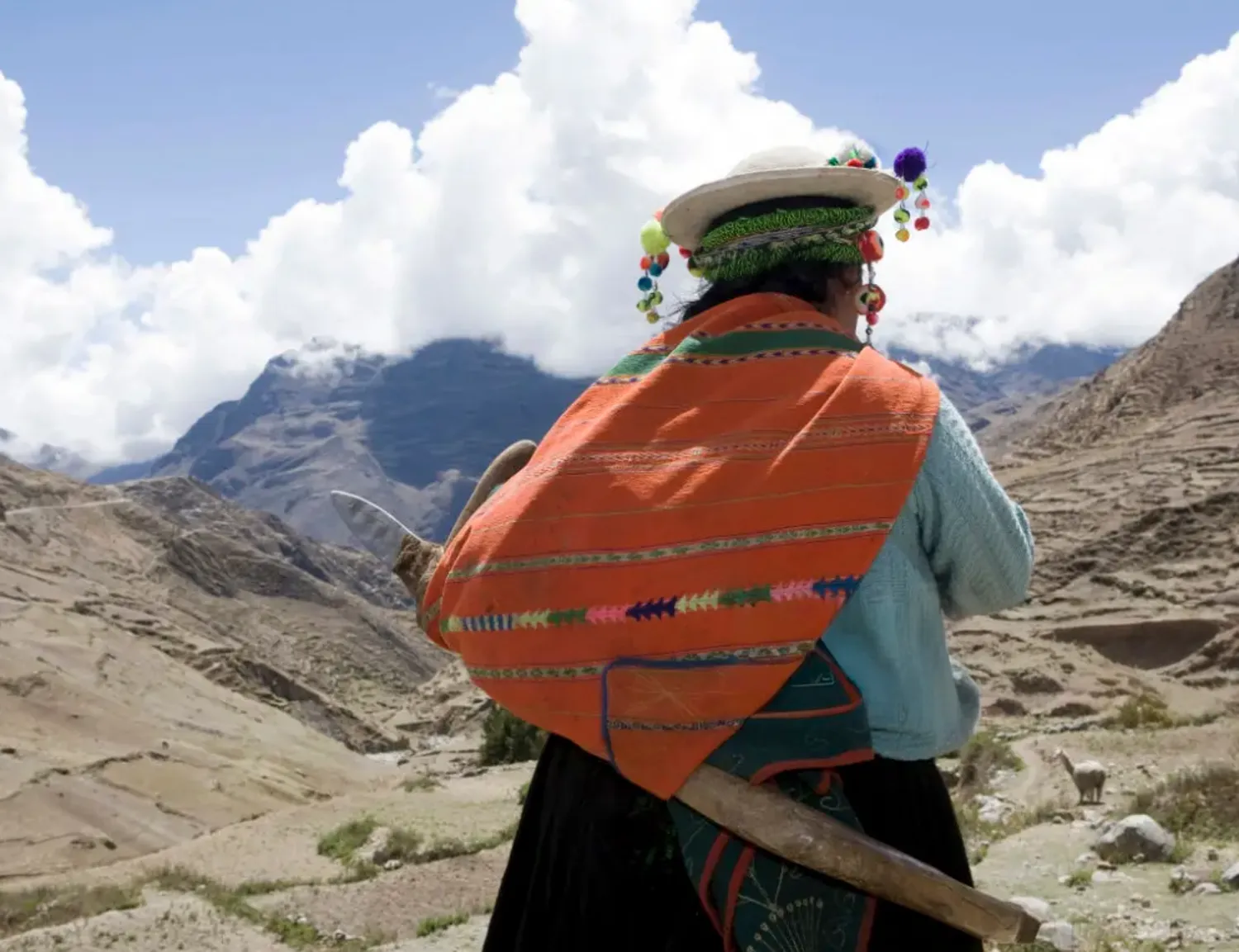
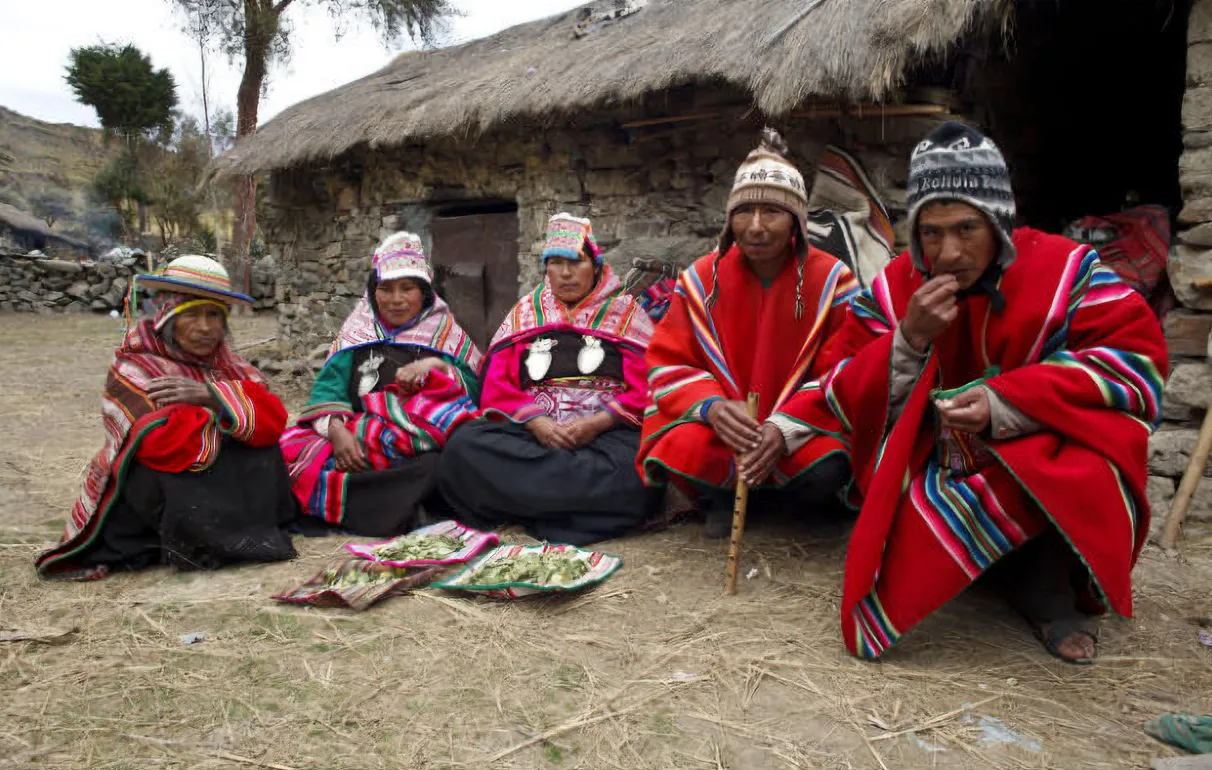
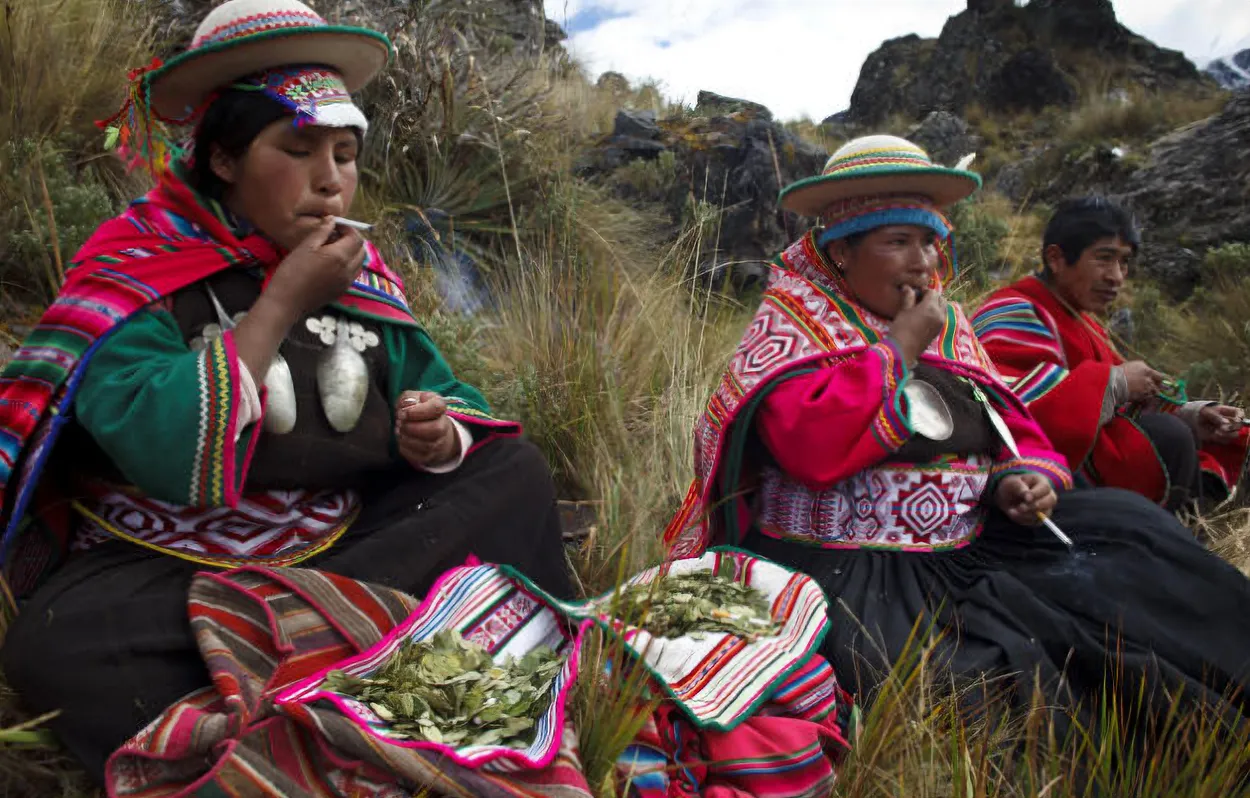
The Kallawaya are no ordinary community. Their traditional medical knowledge—rooted in pre-Inca and Inca practices—has been recognized by UNESCO as a Masterpiece of the Oral and Intangible Heritage of Humanity. They speak a secret language. They carry bundles of rare herbs across high passes. And they still heal.
This is your chance to walk into their world, respectfully and authentically.
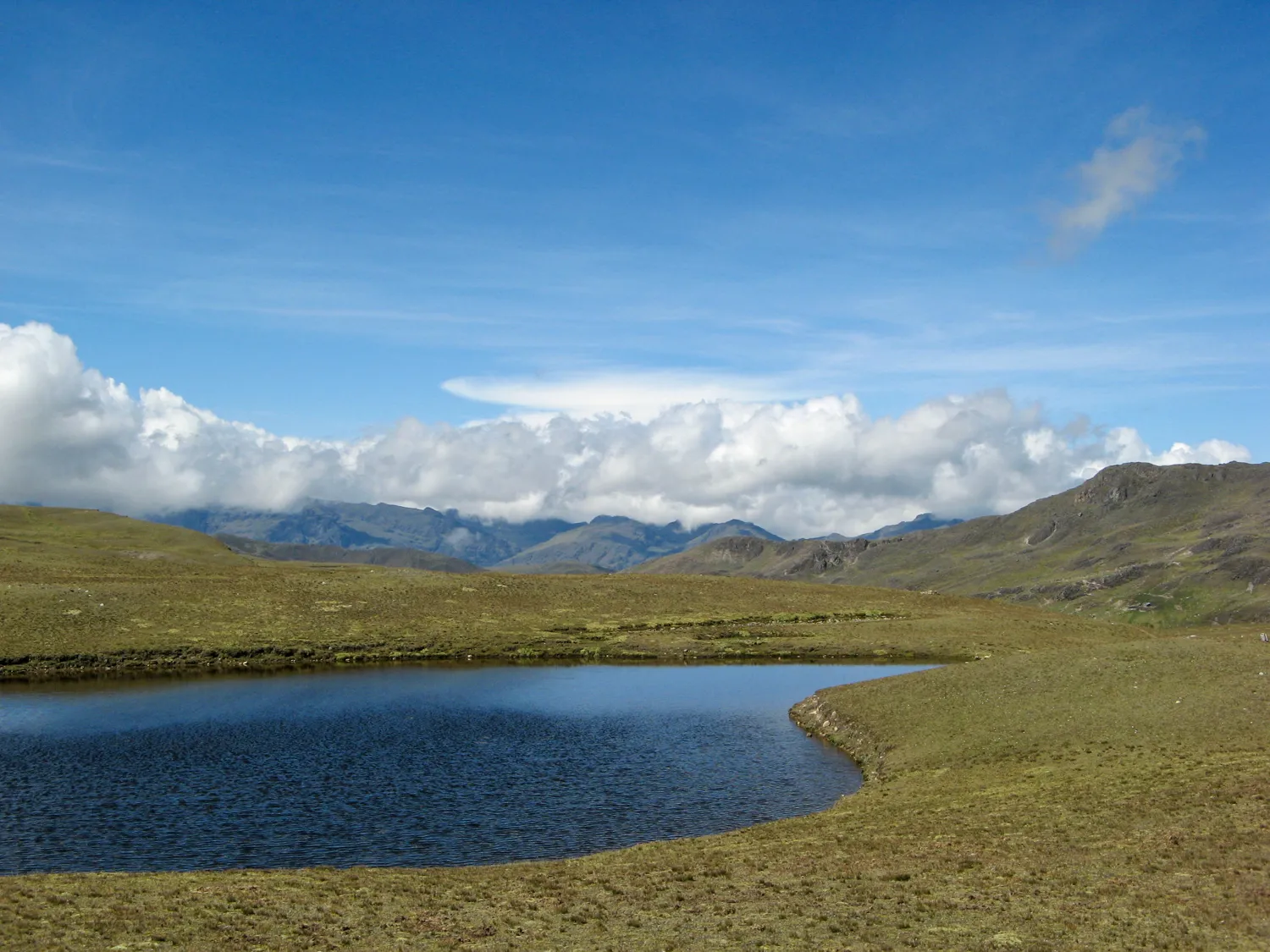
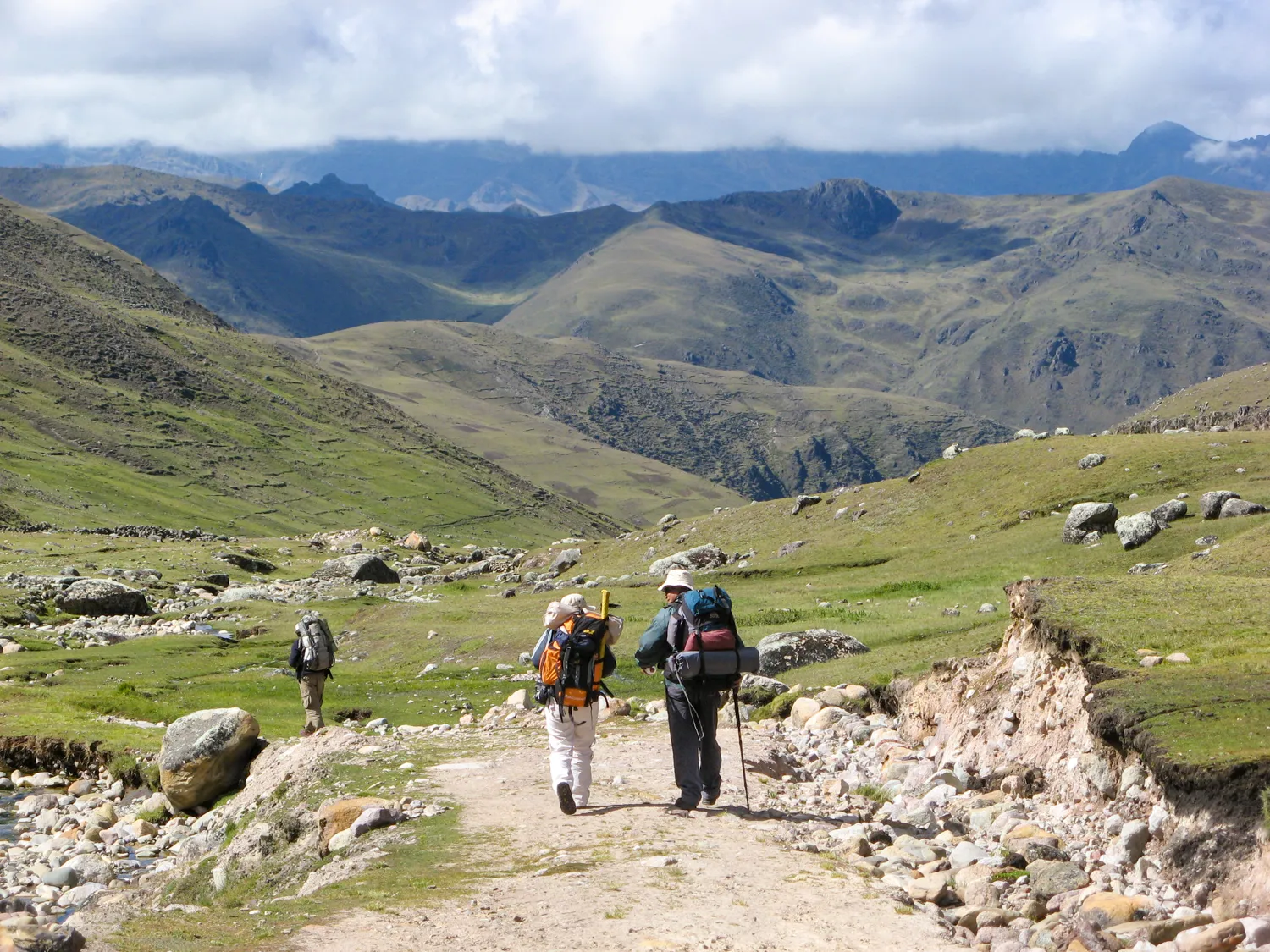
We leave Kotapampa and follow ancient Andean footpaths winding through highland pastures, past mirror-like lagoons, and toward the sacred Akhamani peak in the Apolobamba range. Locals revere this mountain as an apu—a protective spirit.
Along the way:
Caluyo’s local museum – A small but fascinating collection of Kallawaya artifacts, from healing stones to ritual textiles.
Herbal infusions – A local family invites us to taste traditional medicinal teas made from native plants. Bitter? Sometimes. Healing? According to the Kallawaya, absolutely.
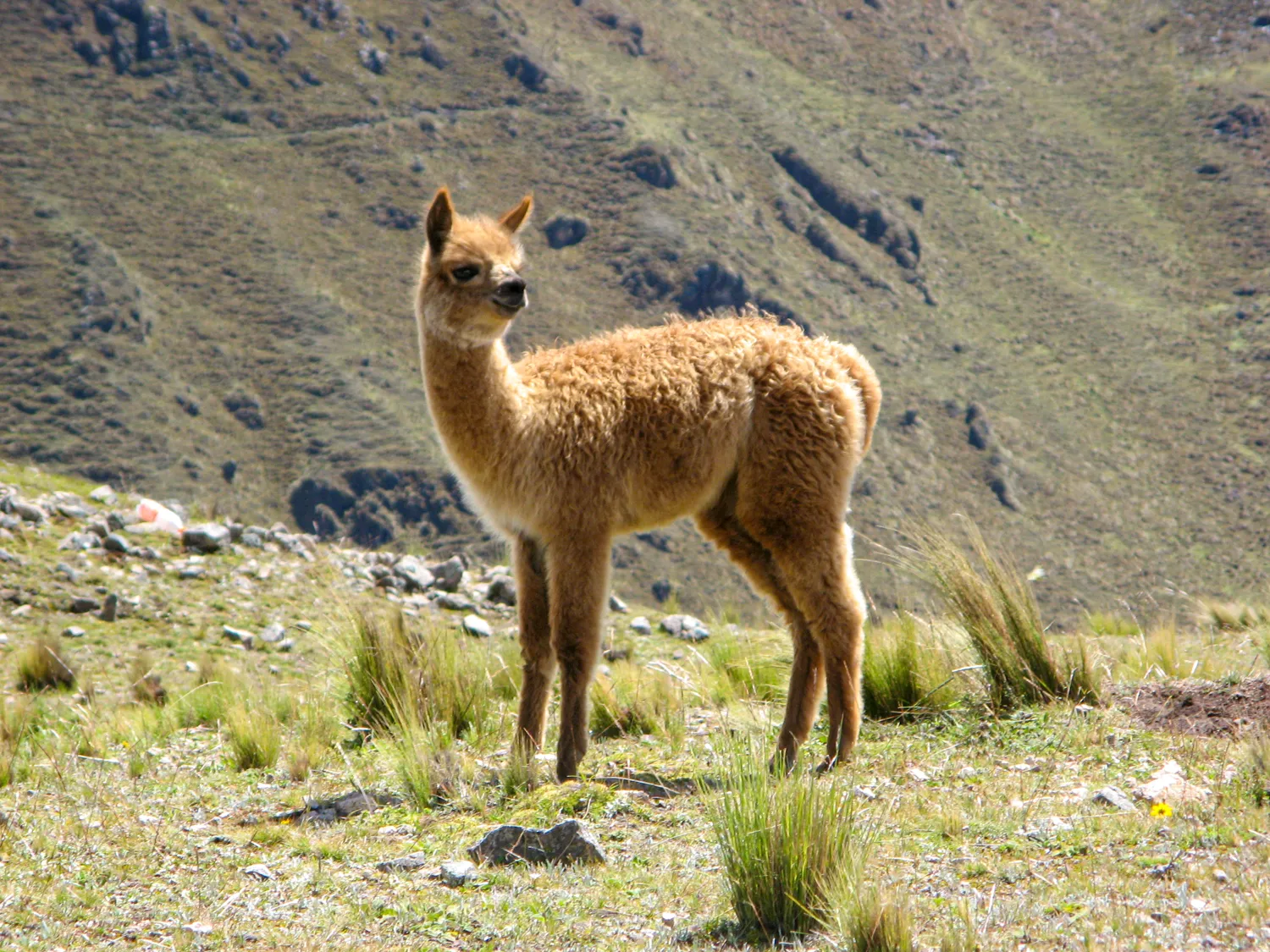
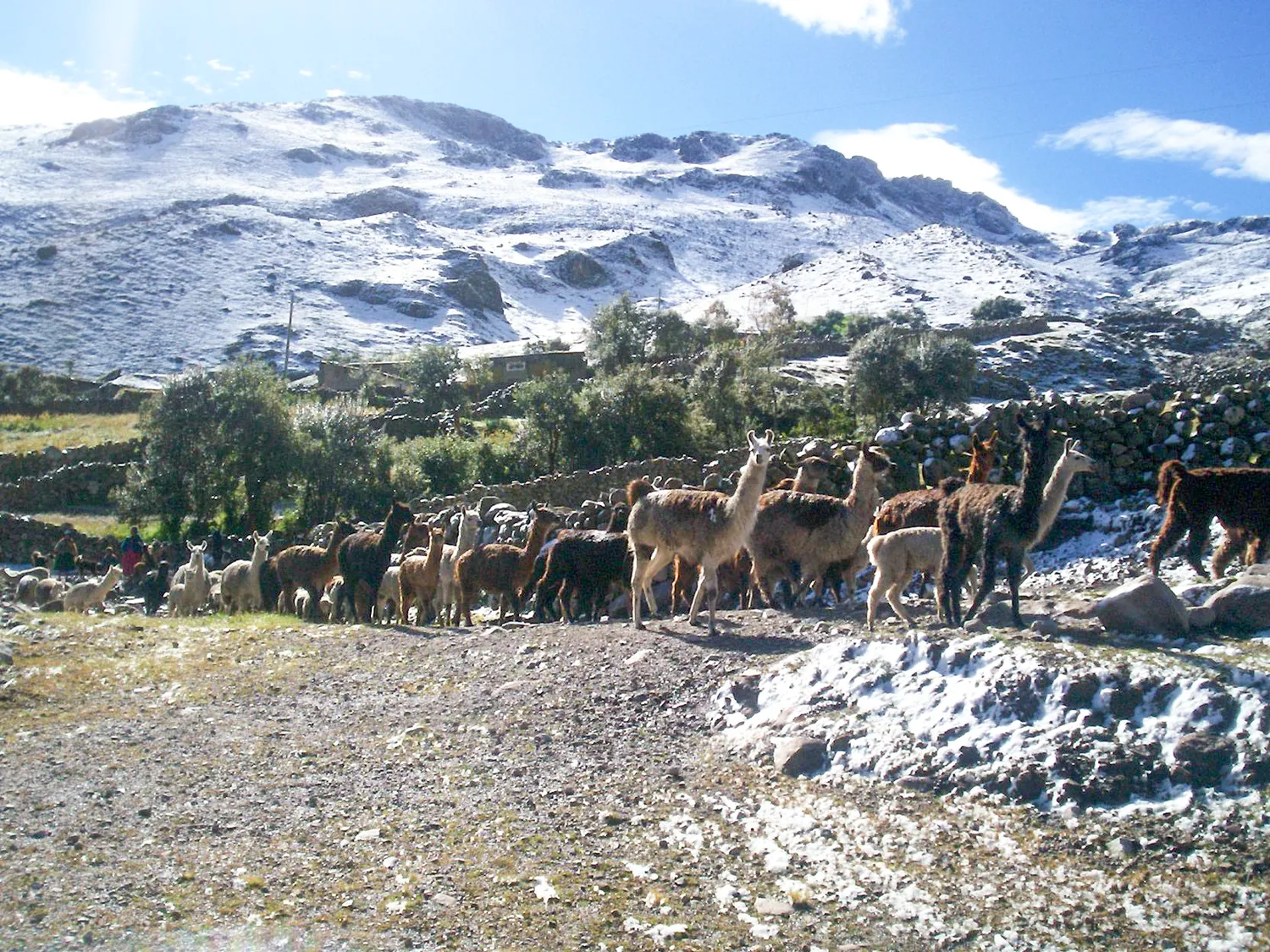
Meeting the families – We stop in small Quechua villages where people farm potatoes, raise llamas and alpacas, and weave brightly colored textiles using techniques passed down for generations.
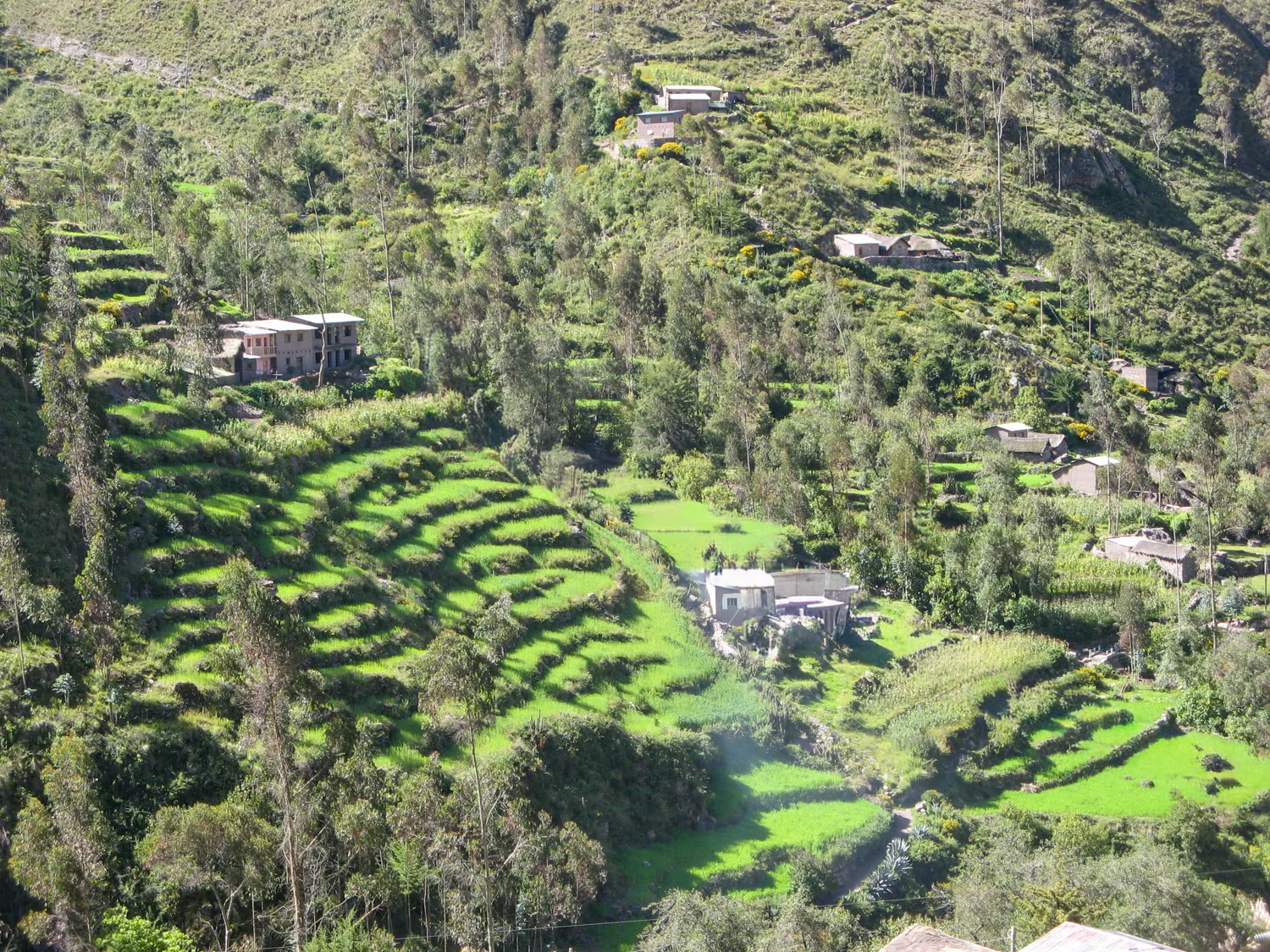
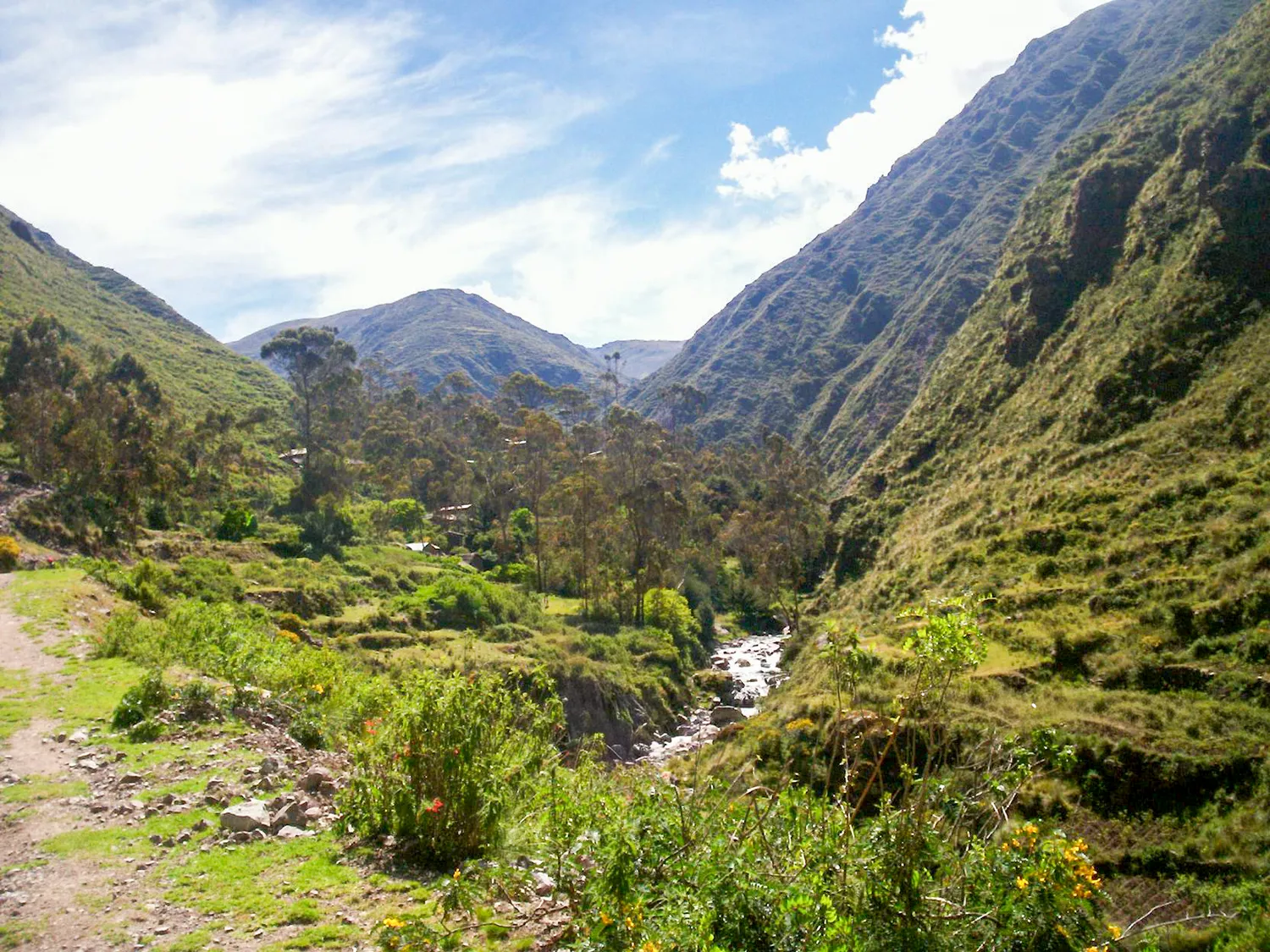
The landscape shifts as we descend: from open puna (high grassland) to foggy transitional zones draped in moss, and finally into warmer Quechua valleys dotted with stone houses and terraced fields.
Overnight in Caluyo – simple, humble, unforgettable.
Our final day of walking takes us toward the village of Charazani, the heart of the Kallawaya world. The trail winds down through increasingly lush vegetation, with the sound of rivers growing louder.
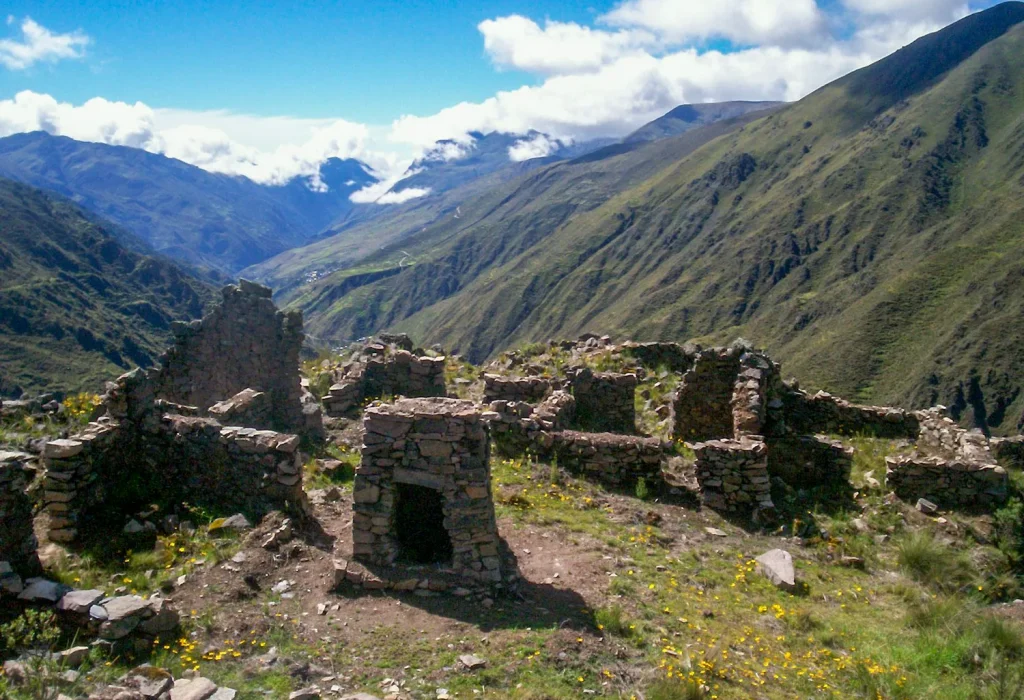
Just outside Charazani lies Chullpapata—a little-studied stone ruin considered sacred by locals. Unlike the polished Inca sites on the islands, Chullpapata feels wild, hidden, and deeply spiritual. Your guide will share what little is known, and what is still kept secret.
Arrival in Charazani means hot springs. After days of walking, you sink into warm, mineral-rich pools while the surrounding mountains turn gold in the setting sun. It’s a moment of pure reward.
Overnight in Charazani – optional evening conversation with a Kallawaya healer (ask your AHE guide to arrange).
 Day 6: Cultural Celebration & Return
The final day is flexible, by design.
Depending on the season and community schedules, you may:
 Participate in a cultural event – a local festival, a weaving demonstration, or a ritual offering to the earth (pachamama)
Learn directly from a Kallawaya healer – about medicinal plants, diagnostics, and the sacred coca leaf reading
 Begin the journey back to La Paz – crossing through the stunning Apolobamba region, with time for photos and reflections
Return to La Paz by evening, or continue onward to another AHE adventure.
 Highlights at a Glance
| Element | Experience |
|---|---|
| Lake Titicaca | Isla del Sol (north–south traverse) + Isla de la Luna |
 Inca archaeology Inca archaeology | Chinkana, Sacred Rock, Yumani stairs, Iñak Uyo palace |
 Kallawaya culture Kallawaya culture | UNESCO-recognized healers, herbal infusions, secret language |
 Sacred mountain Sacred mountain | Views of Akhamani peak (Apolobamba range) |
 Hot springs Hot springs | Charazani’s natural thermal pools |
 Hidden ruins Hidden ruins | Chullpapata – sacred, little-studied stone site |
 Community tourism Community tourism | Direct benefit to local families (potato farmers, weavers, herders) |
 Practical Information
| Detail | Information |
|---|---|
| Duration | 6 days |
| Starting point | La Paz City (transfer to Copacabana) |
| Difficulty | Low–Medium (gentle altitude walking) |
| Altitude range | 2,800 m – 4,500 m |
| Sleeping altitude | ~3,800–4,000 m (manageable with prior acclimatization) |
| Best season | April–October (dry season); islands are pleasant year-round |
| Accommodation | Simple village guesthouses & basic hostels (no luxury, full of soul) |
| Included | Boat crossings, local guides (Kallawaya region), museum entry, herbal tasting |
| Not included | Tips, personal gear, extra healers’ consultations (can be arranged separately) |
 Notes for Travelers
Acclimatization recommended – Spend at least 2 days in La Paz or Copacabana before starting.
Pack layers – Sun by day, cold by night on the islands; transitional valleys are warmer.
Respect sacred sites – The Kallawaya healers do not perform for tourists. If you are offered a private consultation, approach it with genuine openness and respect.
Photography – Always ask permission before photographing people, especially healers or ritual moments.
Community benefit – AHE works directly with local families. Your visit supports potato farmers, weavers, and museum keepers.
| Feature | What You Get |
|---|---|
 Two worlds, one journey Two worlds, one journey | Lake Titicaca + Kallawaya – no other circuit combines them this smoothly |
 Expert local guides Expert local guides | Including Kallawaya community members when available |
 Boat logistics handled Boat logistics handled | Island transfers, Kotapampa landing – seamless |
| Archaeology + living culture | Not just stones – people who still honor them |
| Hot springs finale | Because every trek deserves a warm soak |
 Ethical community tourism Ethical community tourism | Real benefit, not a performance |